

Plant-based Protein​

Textured Plant Protein Solution for the Meat Industry ( +75% Protein)

FORMULA COMPOSITION

Extruded Plant Protein:

Proportion: 50% of the total blend.
Benefit: Reduces saturated fat content by 30% compared to meat-only products, while simultaneously improving the essential amino acid (EAA) profile, according to studies on protein quality.

Salicornia Salt (Salicornia spp.):
Composition: Contains 80% less sodium than traditional NaCl.
Health Impact: Helps maintain daily sodium intake within the recommended limit (<2300 mg/day), contributing to hypertension prevention.

Nutritional Enrichment:

Functional Additives: +20% dietary fiber, proteins with PDCAAS > 0.9 (Protein Digestibility-Corrected Amino Acid Score), and enrichment with B-complex vitamins (B12 and folic acid).
Result: Supports the consumer’s metabolic and energy wellbeing.

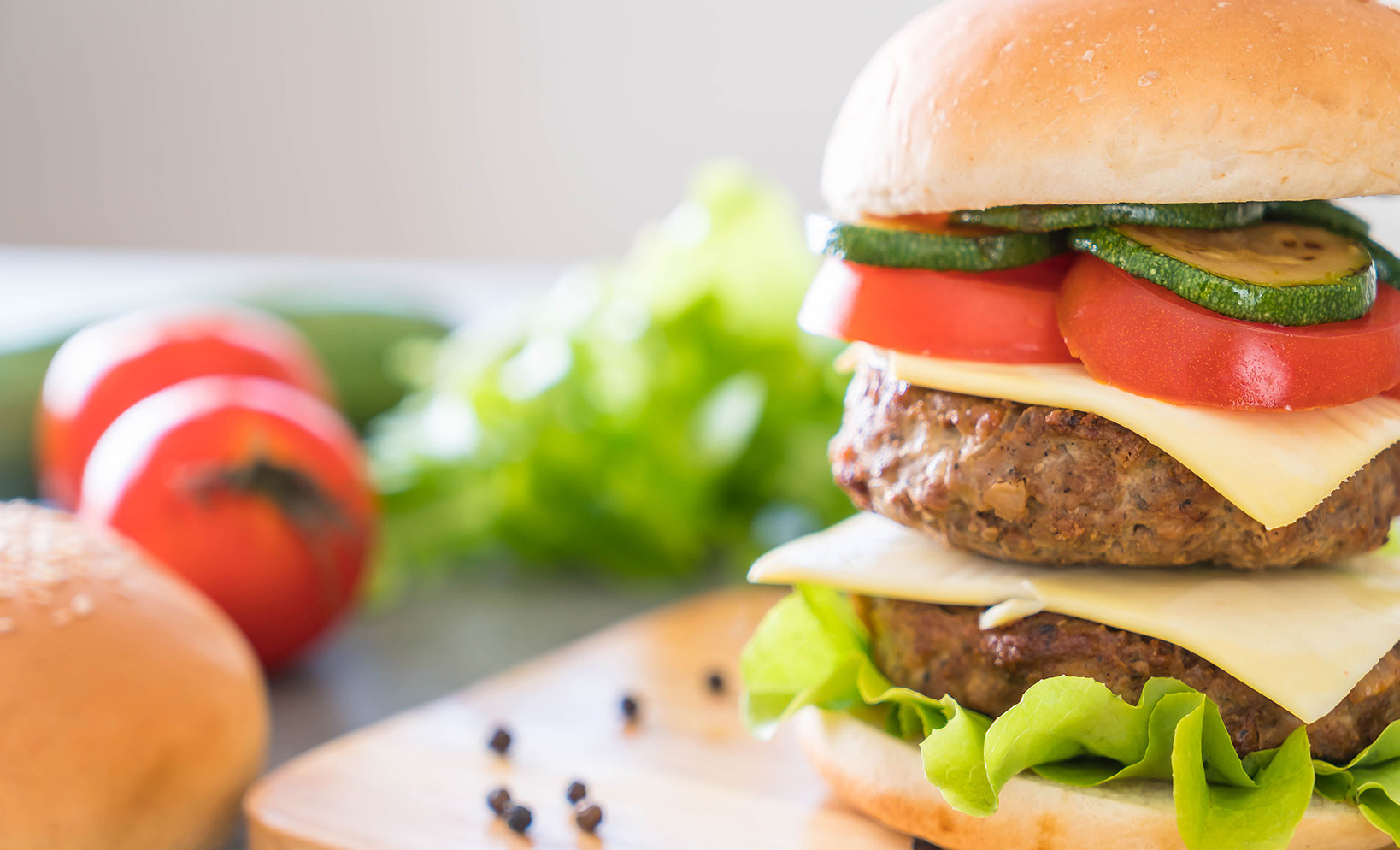
Hyve - Hamburguesas Híbridas con Proteína Vegetal

Hybrid Burgers

with a Functional Plant Protein Core

Innovation in Hybrid Foods

The incorporation of plant proteins into hybrid meat products represents a significant advance in human nutrition, aligning with the recommendations of institutions such as the World Health Organization (WHO) to reduce the consumption of saturated fats and sodium.

Our functional vegetable protein formula has been designed to improve both the nutritional profile and the health benefits for the consumer, without sacrificing essential organoleptic attributes such as flavor and texture.

Hamburguesa Hyve

Formula Composition

Extruded vegetable protein

  • Proporción: 50% of the total mix.
  • Benefits: It reduces saturated fats by 30% compared to meat-only products, while simultaneously improving the essential amino acid (EAA) profile, according to studies on protein quality.

Salicornia Salt

  • Composition: 80% less sodium than traditional NaCl.
  • Health impact: It allows you to keep your daily sodium intake within the recommended limit ( less than 2300 mg / day), contributing to the prevention of hypertension.

Nutritional enrichment

  • Functional additives: +20% dietary fiber, proteins with PDCAAS > 0.9, and enrichment with B vitamins (B12 and folic acid).
  • Results: Support for the consumer's metabolic and energetic well-being.

Health Benefits

1. Increased Dietary Fiber

  • Promotes the Microbial Diversity: Fiber serves as a substrate for beneficial bacteria in the colon, promoting a diverse and balanced microbiota.
  • SCFA production: Fiber fermentation produces short-chain fatty acids such as butyrate, which maintain the integrity of the intestinal mucosa.

2. Reduction of Saturated Fats

  • By replacing 50% of the meat with vegetable protein, you reduce saturated fat by 30%.
  • Improving Microbiota Composition: Diets low in saturated fats promote the growth of beneficial bacteria and reduce pathogenic microorganisms.

3. Salicornia Salt

  • Contains 80% less sodium than common salt.
  • Maintaining Intestinal Integrity: A reduction in sodium intake helps preserve proper bowel function.

4. B Vitamins

  • Provides 25% more B vitamins, including B12 and folic acid.
  • Bacterial Metabolism: B vitamins are cofactors in metabolic pathways of intestinal bacteria.

5. Antioxidants

  • The plant components provide antioxidants, such as polyphenols and flavonoids.
  • They act as prebiotics: They stimulate the growth of beneficial bacteria and contribute to intestinal health.

Nutritional Profile

Extruded vegetable protein 50% of the mix.
Reduction in saturated fats 30% less
Sodium reduction 80% less
Added dietary fiber +20%
B Vitamins +25%

Main Applications

Schools

  • Composition: 40% carbohydrates, 30% protein, 30% healthy fats.
  • Impact: Provides essential nutrients for children's cognitive and physical development.

Nursing home

  • Benefits: High protein digestibility (>90%), essential for preserving muscle mass in old age.

Hospitals

  • Therapeutic efficiency: Dietary options designed to promote recovery and immune regeneration in patients.

CONTACT OUR EXPERTS FOR MORE INFORMATIONS

Economía Azul

La Economía Azul en la alimentación se centra en la sostenibilidad de la producción y consumo de alimentos provenientes del mar, promoviendo prácticas que protejan los ecosistemas marinos y garanticen la seguridad alimentaria.
La Economía Azul busca un equilibrio entre el uso de los recursos marinos y la preservación de la salud de los ecosistemas. Se promueve el aprovechamiento eficiente de los recursos marinos, minimizando el desperdicio y maximizando el valor de los productos del mar. Se fomenta la investigación y desarrollo de nuevas tecnologías para la producción y procesamiento de alimentos marinos y se busca generar una mayor conciencia sobre la importancia de la pesca y la acuicultura sostenibles y la reducción del desperdicio alimentario.

  • El 28 y 29 de noviembre de 2023 se celebró el Foro Zona Azul en Cádiz, donde Omnivorus estuvo presente.